Yoon Wai Lam, Senior Principal Speech Therapist
In 2016, my good friend Mr Syahrulikram Yasin suggested that we organise a dysphagia workshop in Malaysia. I was honoured by the idea and decided to go ahead. I didn’t know then that a two-day workshop would become a community that is still active ten years later.
The workshops
The first workshop was small, about 20 participants. Over two days we covered dysphagia assessment and treatment, the analysis of FEES and VFSS, and surface EMG (sEMG) biofeedback as an adjunct to dysphagia therapy. It went well, and we ran more workshops in 2017 and 2019. Each workshop drew a bigger group than the last, with clinicians coming from all over Malaysia.
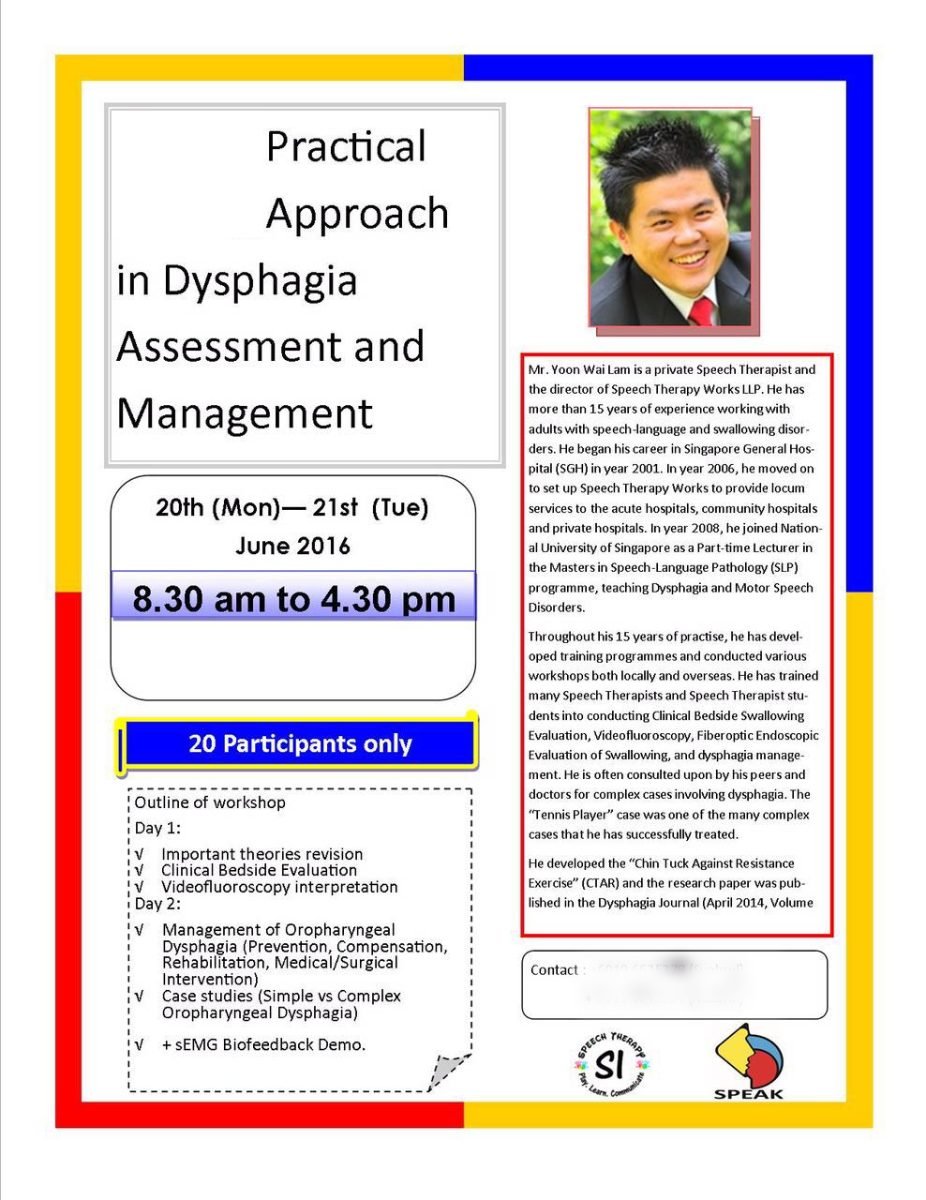
The flyer for the first workshop, June 2016.
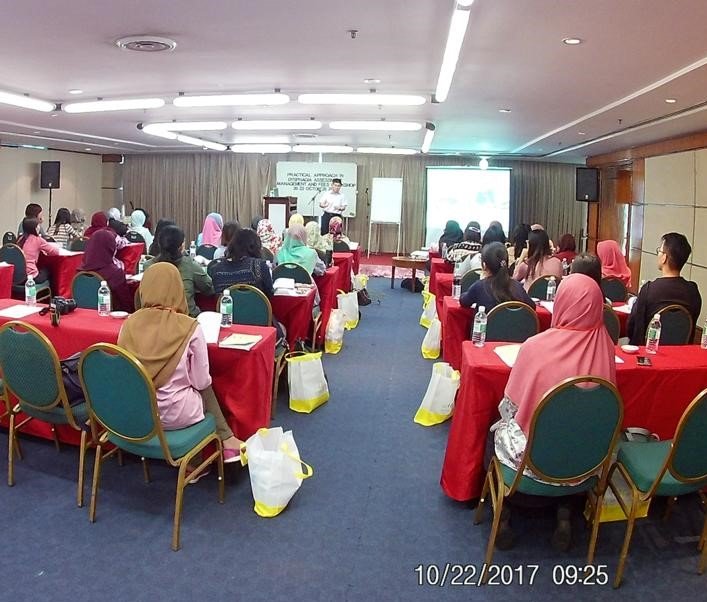
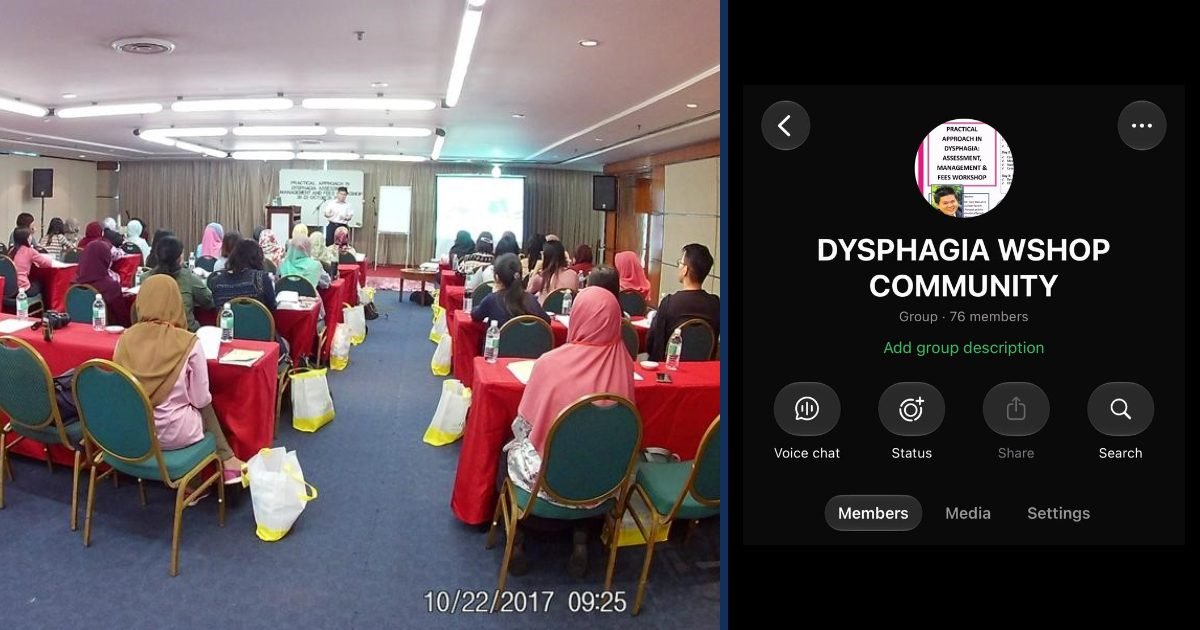
The 2017 workshop in Malaysia.
How the community began
After the first workshop, we set up a WhatsApp group called the Dysphagia Workshop Community. The idea was simple. Participants could ask questions or share interesting cases, and everyone in the group could see them and give their views.
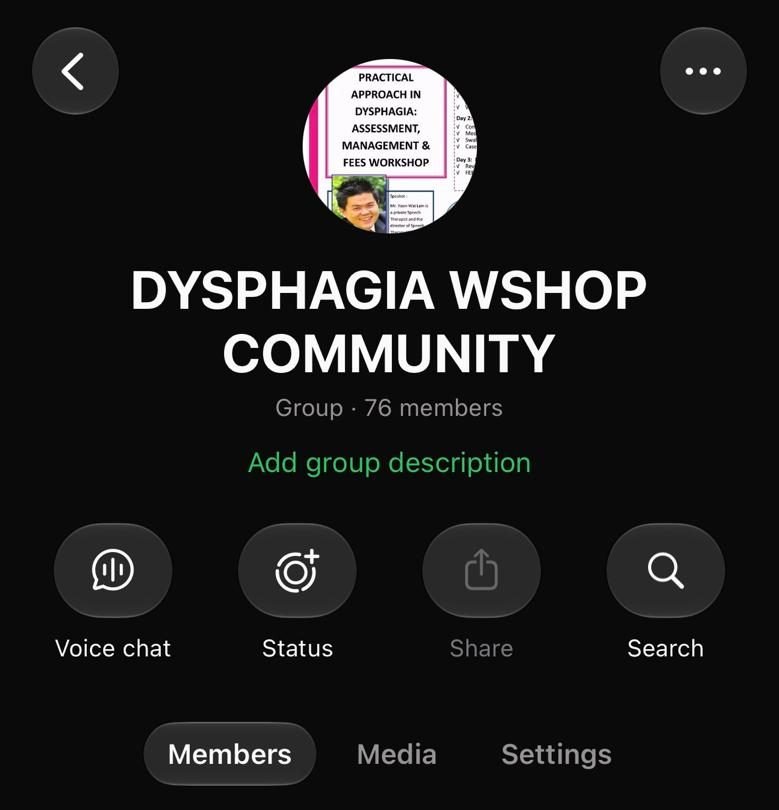
Figure 1: The Dysphagia Workshop Community on WhatsApp.
The group has kept growing since then. New members join, and longer-standing members help them along. A clinician shares a case or a short clip, and members offer their views before I add my comments. Over the years I have seen many good questions and interesting cases. We still get regular posts about instrumental examinations, and almost every case shared teaches us something. I try my best to help whenever I can. It’s a privilege to be a mentor to this group.
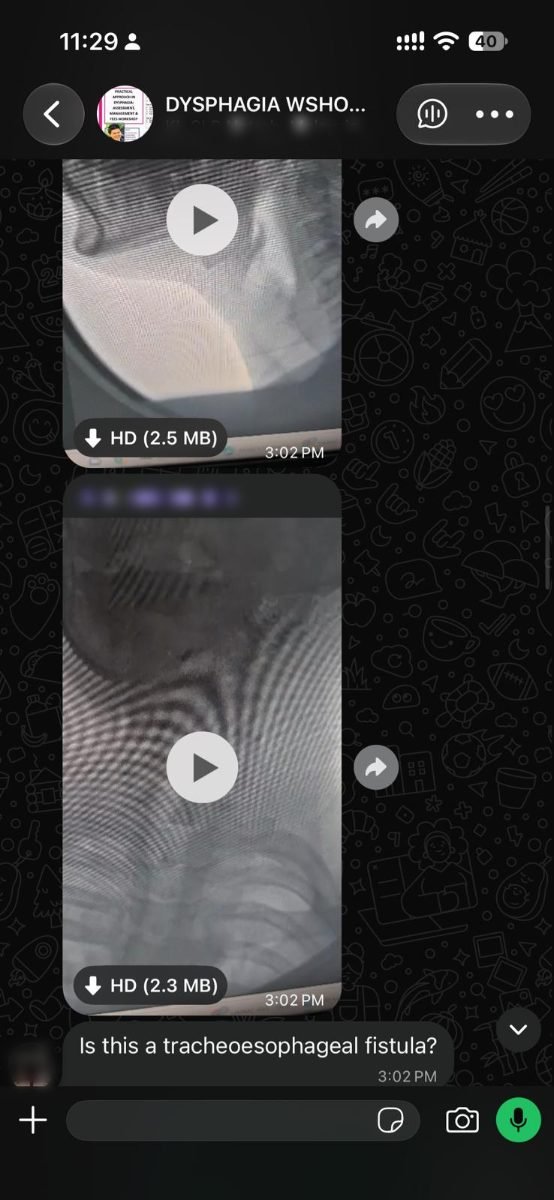
Figure 2: A member shares VFSS clips and asks whether this is a tracheoesophageal fistula. Names and identifying details removed.
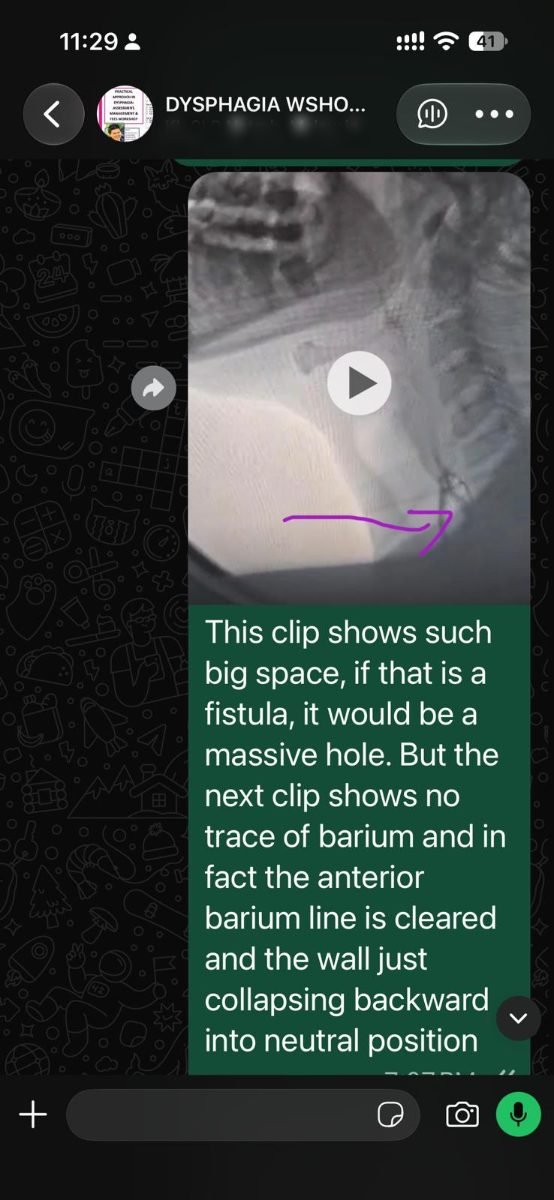
Figure 3: My reply, explaining why the next clip doesn’t support a fistula.
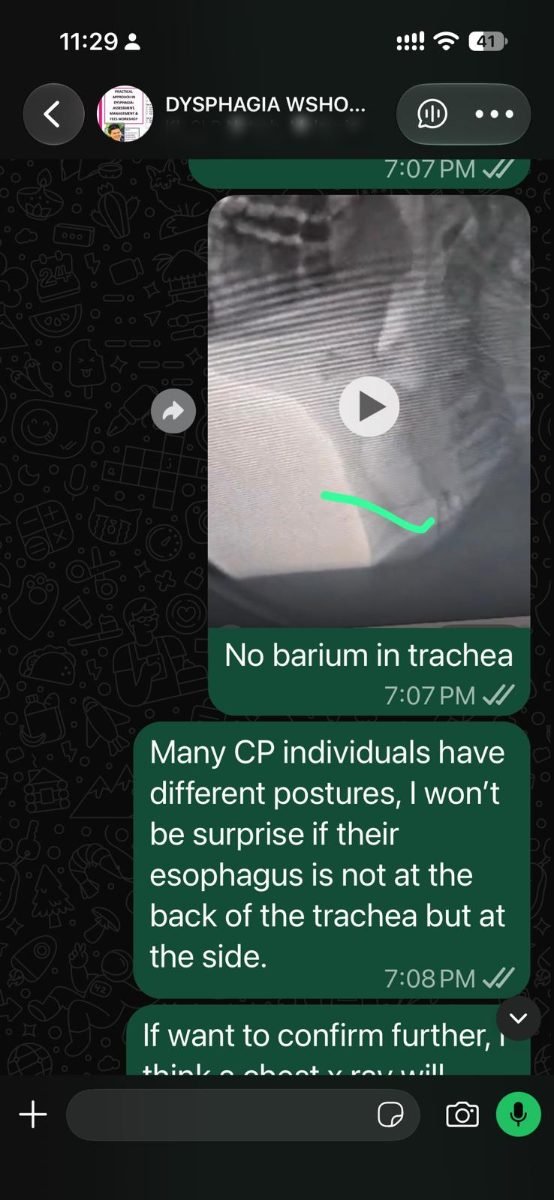
Figure 4: No barium in the trachea, and a note on how posture in cerebral palsy can change the anatomy.
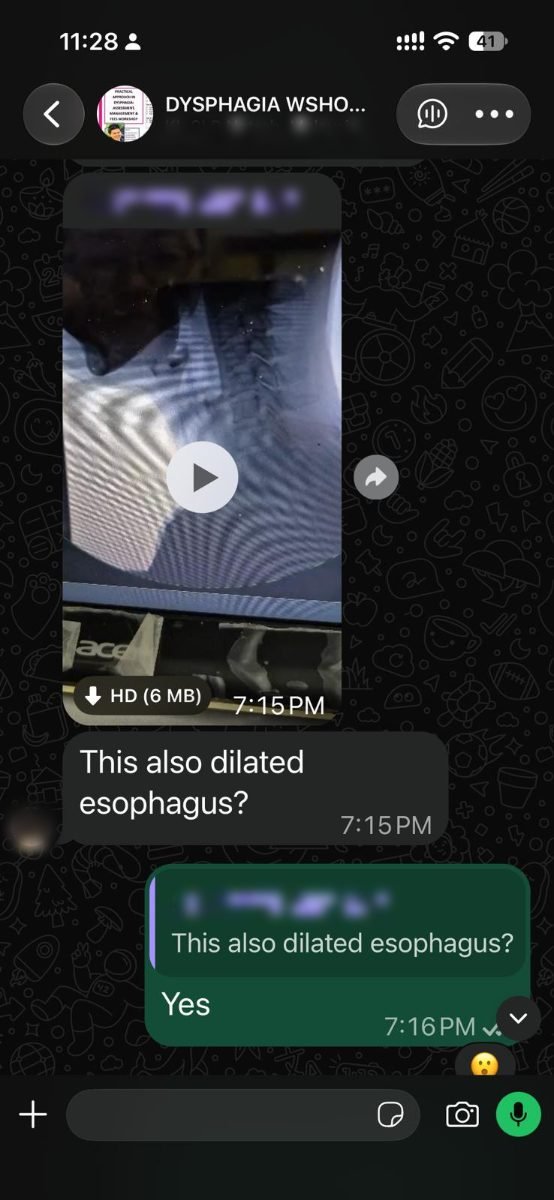
Figure 5: A quick follow-up question on a dilated oesophagus.
Why it matters
Training in dysphagia in Malaysia is not easy. The country is large, clinicians are spread across many states, and back in 2016 dysphagia management was still new in many places. A clinician in one town may have had few colleagues nearby to discuss a difficult swallow with.
The community has helped with that. Clinicians from all over Malaysia can support each other, and you can see everyone’s knowledge and confidence growing over the years. People don’t just ask questions. They join in, compare their experience and learn from each other’s cases.
Seeing the results
One of the most rewarding parts comes from my own work in Singapore. Every now and then, a patient from Malaysia comes over to Singapore to see me for a consultation. Sometimes I see a familiar name in their reports: a clinician who attended one of the workshops or posts in the group. When I look at how those patients were managed, I can see how much things have improved since 2016.
Looking ahead
What started as a two-day workshop has become a network of clinicians who keep learning from each other. I’m proud of what this community has built, and I’m grateful to everyone who has asked a question, shared a case or offered a view. Dysphagia management in Malaysia has come a long way, and I look forward to seeing how much further it goes.