In short: Parkinson’s disease often makes speech quieter and less clear, and swallowing slower and less safe. Speech therapy at home helps people speak louder and clearer, eat and drink more safely, and stay involved in family life. We visit homes anywhere in Singapore.
How does Parkinson’s affect speech?
Most people with Parkinson’s notice changes in their speech at some point. Common signs include:
- A soft or quiet voice that family keep asking to repeat
- Flat, monotone speech with less expression
- Speech that is rushed, mumbled or slurred
- Trouble starting to speak, or trailing off at the end of sentences
- Less facial expression, so others misread how the person feels
Many people don’t realise how quiet they have become, because their own voice sounds normal to them.
How does Parkinson’s affect swallowing?
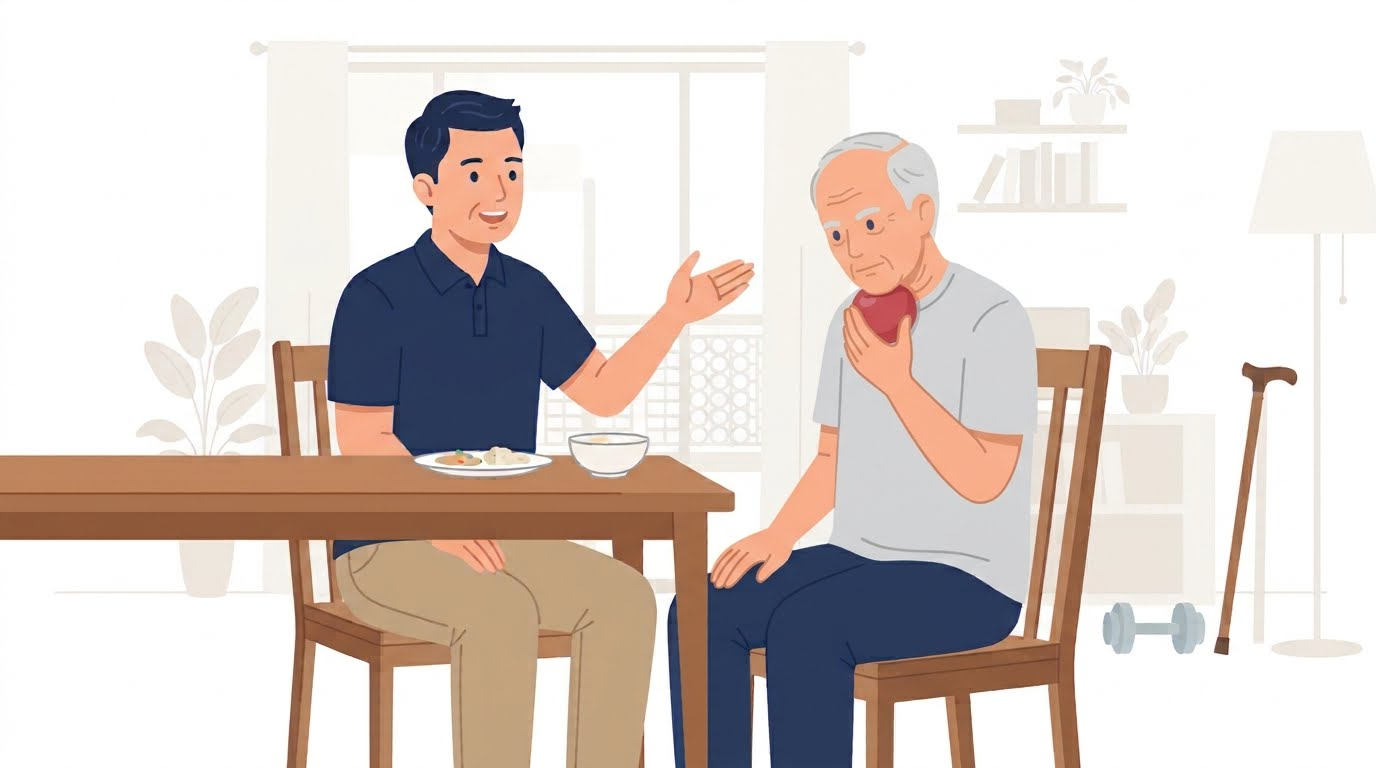
Swallowing problems (dysphagia) are common in Parkinson’s and can develop gradually. Watch for:
- Coughing or throat clearing during or after meals
- Meals taking much longer than before
- Food left in the mouth, or drooling
- Difficulty swallowing tablets
- Weight loss or repeated chest infections
Some people have silent aspiration, where food or drink enters the airway without a cough. This is one reason a proper swallowing assessment matters, even when meals seem to be going fine. Our Swallowing Self-Check can help you decide whether to get one.
Swallowing problems matter because aspiration pneumonia, a chest infection caused by food, drink or saliva entering the lungs, is one of the most common causes of death in people with Parkinson’s disease. Choking on food is also a risk. Many of these problems can be reduced with early assessment, safer swallowing strategies and regular review.
Why therapy at home helps
People with Parkinson’s often find travelling tiring, and their symptoms change through the day depending on when their medication is working. With home speech therapy in Singapore, we can:
- Schedule sessions for times when the person moves and speaks at their best
- See real mealtimes, with their usual food, cups and seating
- Train family members and helpers in the setting where they actually help
- Practise speaking in everyday situations, such as talking with family or on the phone
What therapy can include
- Voice and speech therapy: exercises to build a stronger, louder voice and clearer speech, with practice carried into daily conversation.
- Swallowing assessment: checking how the person eats and drinks, and arranging an instrumental examination such as FEES if needed.
- Swallowing exercises and strategies: exercises such as CTAR, safer swallowing techniques, posture, and advice on food and drink textures, with sEMG biofeedback where helpful.
- Medication and mealtimes: working with the care team so meals fall when swallowing works best, and finding safer ways to take tablets.
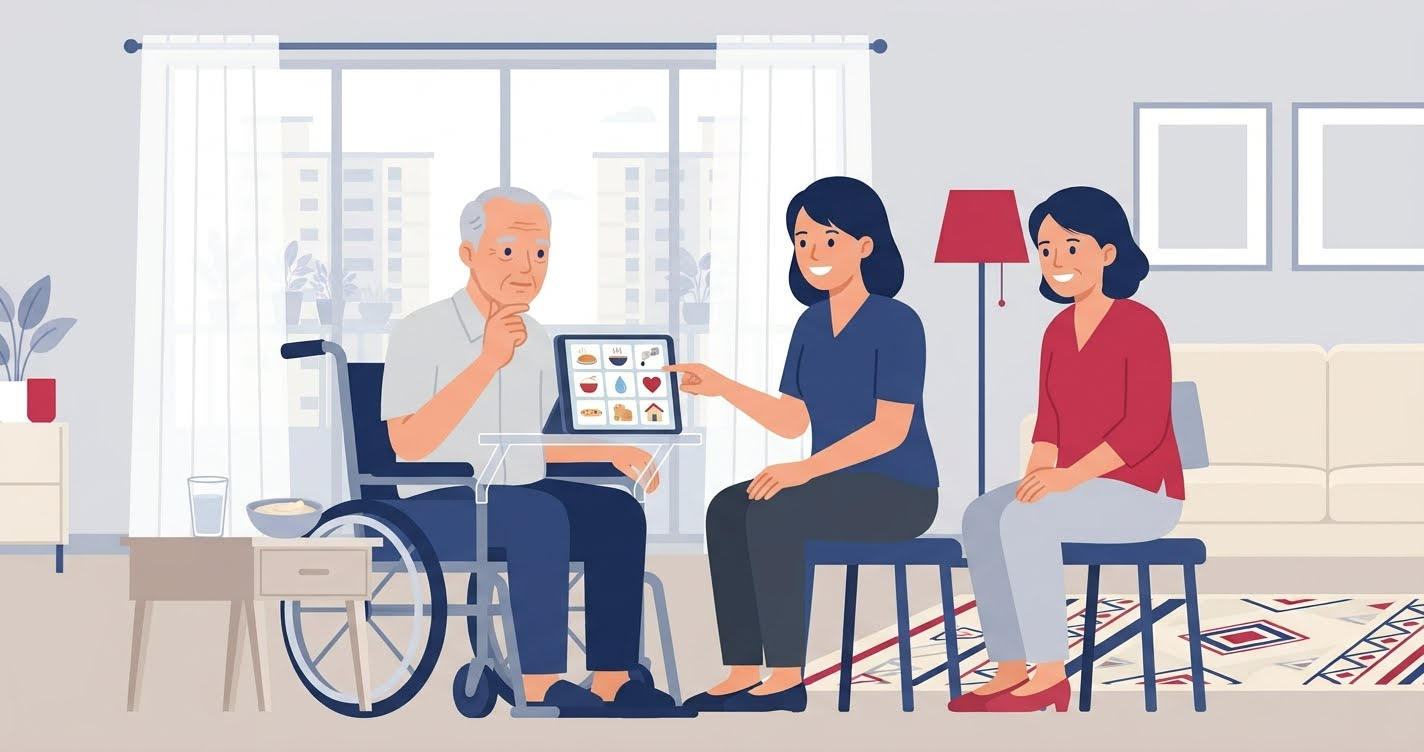
- Communication support: strategies and aids for later stages, planned early so the person keeps a way to communicate.
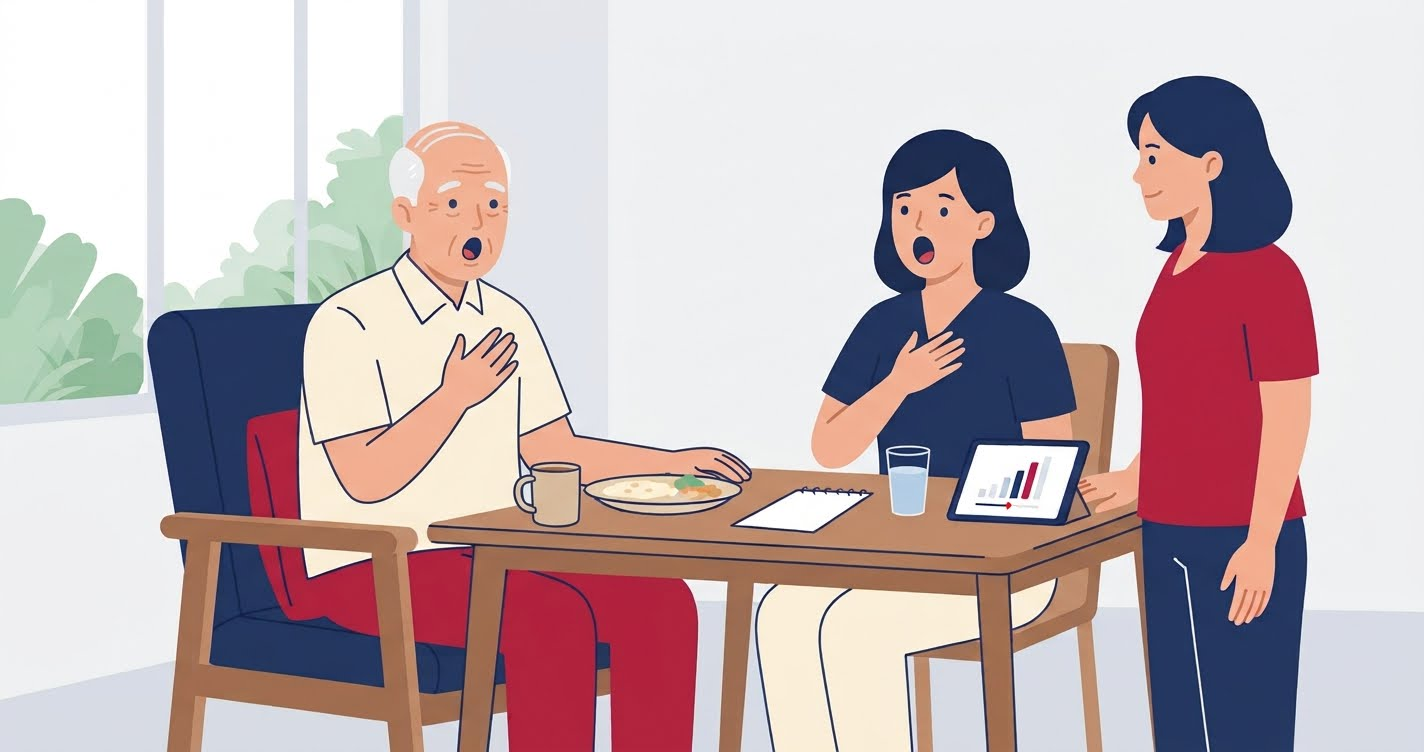
- Carer training: helping family and helpers recognise warning signs and support safe, relaxed mealtimes.
With your consent, we keep the person’s neurologist or doctor updated.
When to start
Earlier is better. Therapy works best before speech or swallowing problems become severe, and starting early lets the person learn skills while they are easier to practise. You don’t need a doctor’s referral. You or your family can contact us directly.
Common questions about Parkinson’s and speech therapy
Can speech therapy help with Parkinson’s disease?
Yes. Speech therapy can help people with Parkinson’s speak louder and more clearly and swallow more safely. It also helps families support communication and mealtimes. Starting early gives the best chance of keeping these skills for longer.
Why is my parent’s voice so soft?
Parkinson’s reduces the size and strength of movements, including the movements used for speaking. Many people also lose the sense of how loud they are, so their voice sounds normal to them even when others struggle to hear.
Is aspiration pneumonia common in Parkinson’s disease?
Yes. Most people with Parkinson’s develop some swallowing difficulty over time, and aspiration pneumonia is one of the most common causes of death in Parkinson’s. Early swallowing assessment and therapy help lower the risk.
Is home speech therapy available for Parkinson’s in Singapore?
Yes. We provide speech and swallowing therapy at home anywhere in Singapore, as well as in nursing homes and care centres, or online. Sessions can be in English, Mandarin, Cantonese and Malay, with some Bahasa Indonesia.
Does Parkinson’s medication affect swallowing?
It can. Swallowing and speech are often better when medication is working well. Timing meals and therapy sessions to these times can make a real difference, so we plan this together with the person’s doctor and family.
Looking for help for a family member? Learn more about our adult speech therapy in Singapore, at home or online.
Written and clinically reviewed by Yoon Wai Lam, Senior Principal Speech Therapist. Last reviewed: November 2026.