In short: A food thickener is a powder or gel that makes drinks and soft foods thicker, so they move more slowly and are easier to control when swallowing. It helps many older adults with swallowing difficulties, but the right thickness differs from person to person. Use the level your speech therapist recommends, and do not guess.
What is a food thickener?
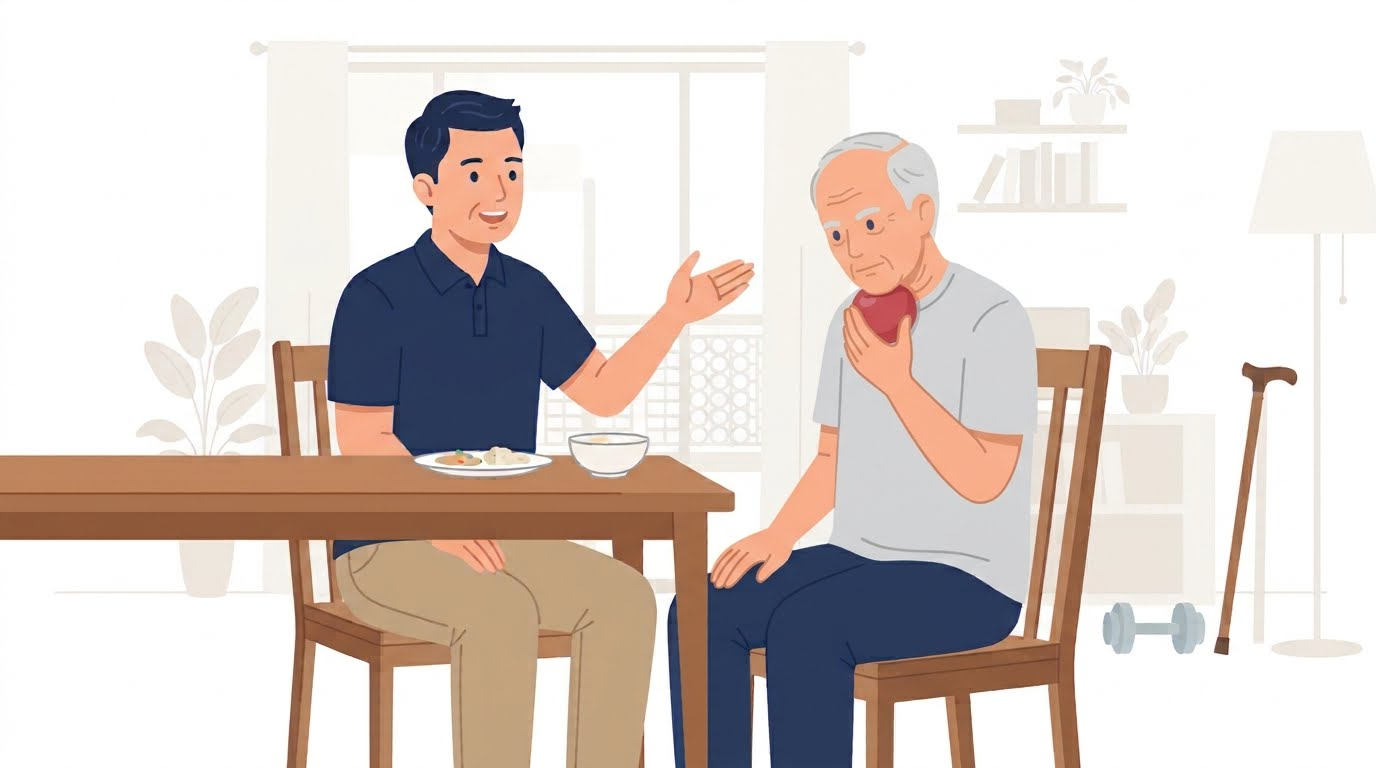
A food thickener is added to water, tea, milk, soup or pureed food to make it thicker. Thicker drinks flow more slowly, which gives a person with a weak or slow swallow more time to close off the airway. This can lower the risk of drink going “down the wrong way” (aspiration), which can lead to coughing, choking or chest infections.
Thickeners are commonly used for older adults with swallowing difficulties (dysphagia) after a stroke, with Parkinson’s disease or dementia, or after head and neck cancer treatment.
Does my elderly parent need a thickener?
Not everyone with a swallowing problem needs thickened drinks. Some people swallow thin drinks safely with the right posture or strategy, and for some, drinks that are too thick are harder to swallow. Signs that a swallowing assessment is needed include:
- Coughing or choking when drinking water or tea
- A wet or gurgly voice after drinking
- Taking a long time to finish a drink, or avoiding drinks
- Repeated chest infections or unexplained fever
- Weight loss or signs of dehydration
You can use our Swallowing Self-Check to help decide whether to get an assessment. A speech therapist can then advise whether a thickener is needed and at what level.
What are the thickness levels (IDDSI)?
Singapore hospitals and care facilities use the International Dysphagia Diet Standardisation Initiative (IDDSI) levels for drinks:
- Level 0, Thin: normal water, tea and juice.
- Level 1, Slightly thick: a little thicker than water.
- Level 2, Mildly thick: flows off a spoon, can be sipped from a cup.
- Level 3, Moderately thick: can be drunk from a cup or eaten with a spoon, like a thick smoothie.
- Level 4, Extremely thick: holds its shape on a spoon and is eaten, not drunk.
Your therapist will tell you which level is right. Thicker is not always safer: drinks that are too thick can leave residue in the throat, and people often drink less, which raises the risk of dehydration.
What types of thickener are there?
- Gum-based thickeners (usually xanthan gum) stay at a steady thickness, look clearer and are less affected by saliva. Most newer products are this type.
- Starch-based thickeners can keep thickening as they stand, and saliva can thin them down in the mouth. They are less commonly used now.
Products differ in how many scoops are needed for each level. Always follow the scoop guide for the product you use, and check again if you change brands. Thickeners are available from pharmacies, hospital pharmacies and online.
Tips for using thickener safely at home
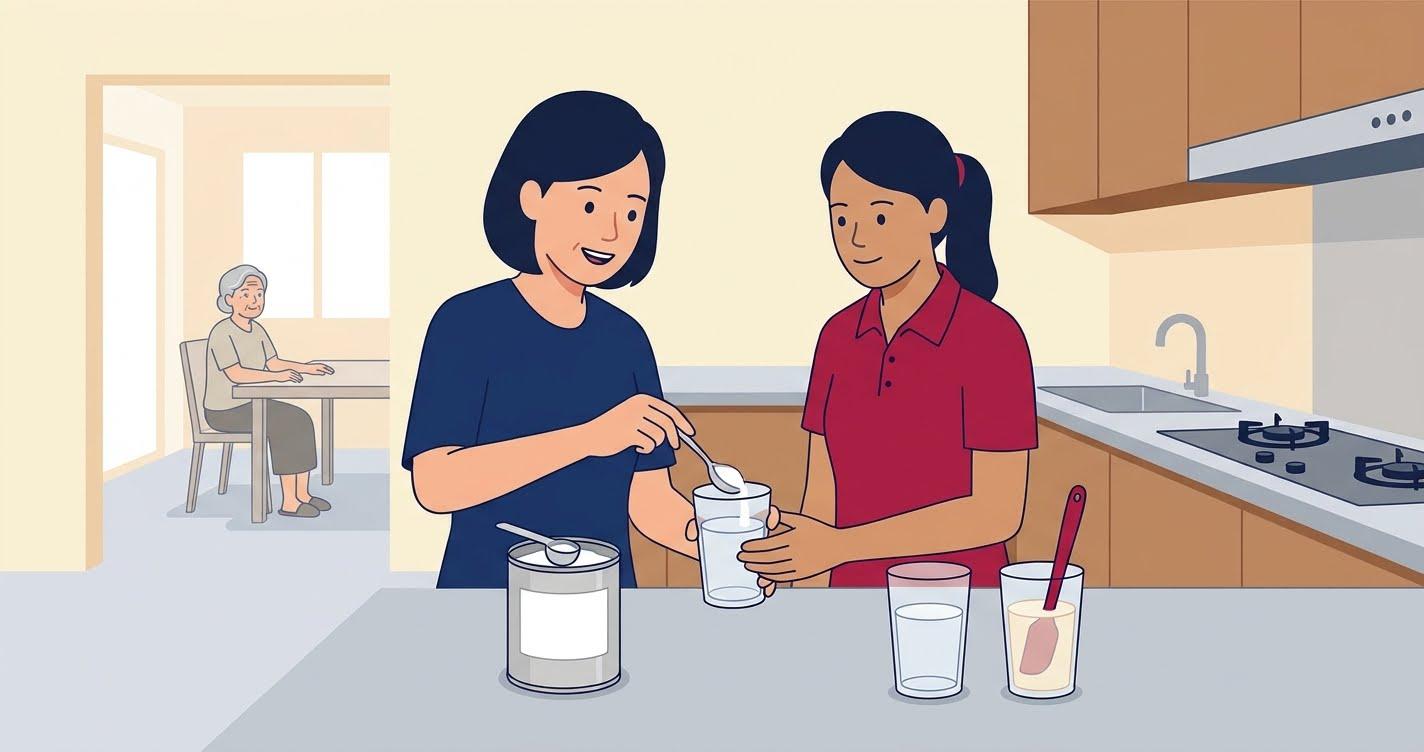
- Measure scoops level, not heaped, and stir well until there are no lumps.
- Wait the time stated on the pack before giving the drink, as many thickeners keep setting for a minute or two.
- Thicken every drink, including soup and milk, unless your therapist says otherwise.
- Make sure family members and helpers all use the same level and the same method.
- Ask your doctor or pharmacist before mixing thickener with medicines.
- Keep track of how much your parent drinks each day, and watch for signs of dehydration such as dark urine or confusion.
Milk and nutrition supplements can take longer to thicken than water. See our tip on speeding up the thickening of nutritional supplements.
How can a speech therapist help?
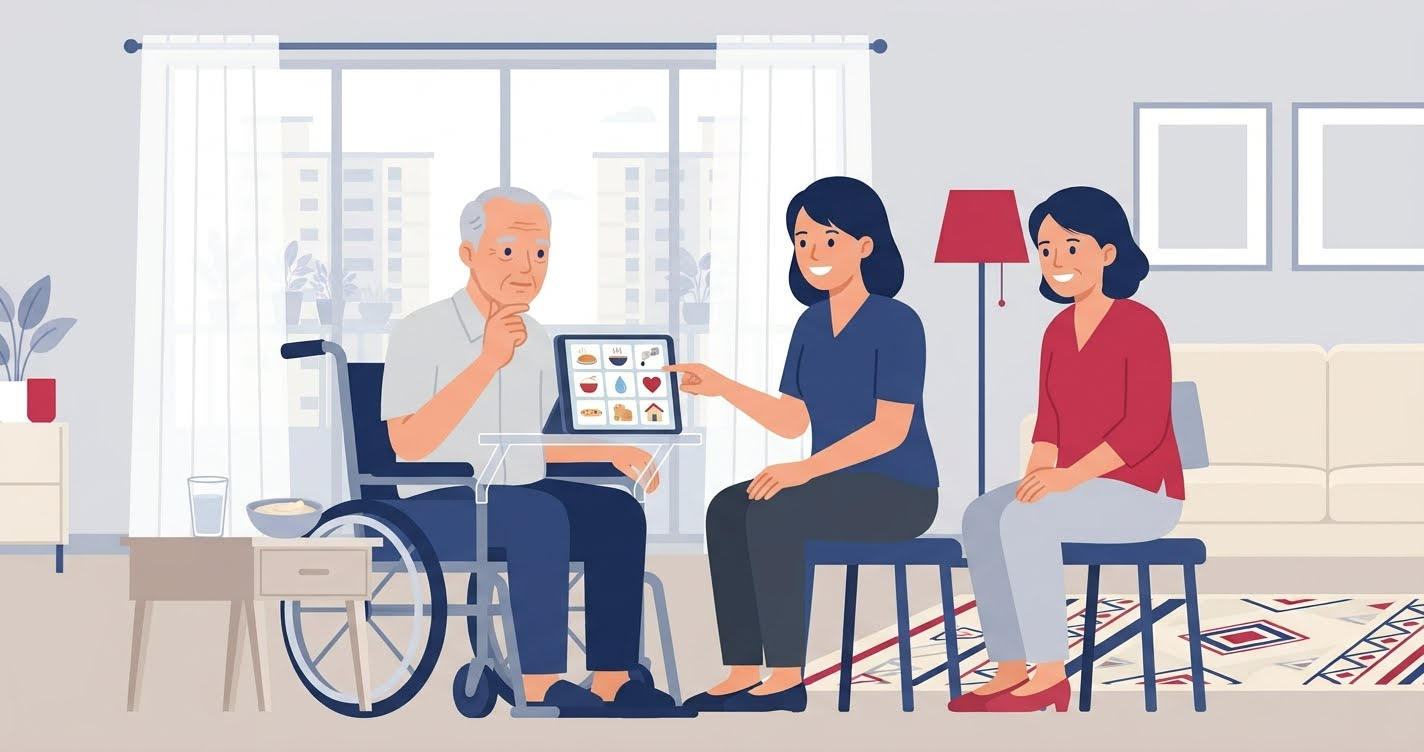
A speech therapist assesses the swallow, recommends the right drink and food levels, and teaches safer swallowing strategies and exercises such as CTAR. Where possible, the aim is to move back towards thinner drinks as the swallow improves. We provide home speech therapy in Singapore, so we can check drinks and meals with your parent’s usual cups, food and helper. If your parent has dementia, see also our guide to eating and swallowing in dementia.
Common questions
Can I buy food thickener in Singapore without a prescription?
Yes. Food thickeners are sold at pharmacies, hospital pharmacies and online. However, it is best to have a swallowing assessment first, so you know whether a thickener is needed and at what level.
How many scoops of thickener should I use?
It depends on the product and the level recommended for the person. Follow the scoop guide on the pack for that level, and check again if you change brands.
Is thicker always safer?
No. Drinks that are too thick can leave residue in the throat and often lead to drinking less. Use the level your speech therapist recommends.
Will my parent need thickened drinks forever?
Not always. As swallowing improves with therapy, many people can move back to thinner drinks. A speech therapist reviews this over time.
Written and clinically reviewed by Yoon Wai Lam, Senior Principal Speech Therapist. Last reviewed: November 2026.